About Tunisia
Know Tunisia
Tunisia: A Journey Through Geography, Revolution, and Democratic Progress
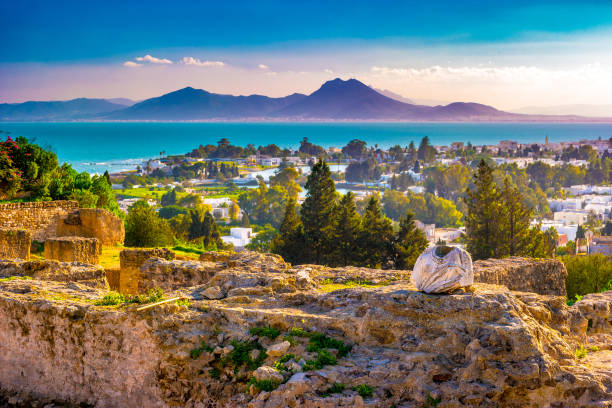
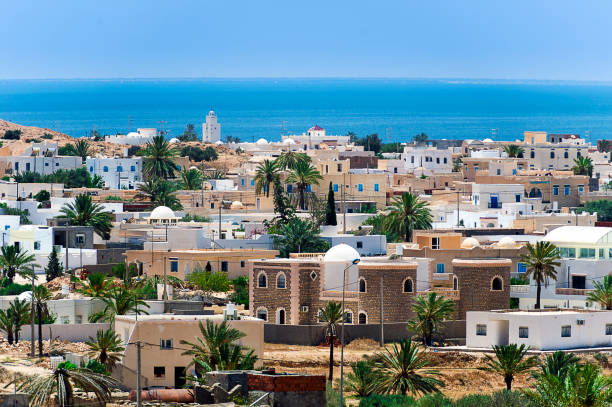
The Republic of Tunisia, located in North Africa, spans an area of 162,155 square kilometers. It is bordered by Algeria to the west, Libya to the southeast, and the Mediterranean Sea to the north and east. As of July 2017, the population of Tunisia was approximately 11.45 million people. The capital city, Tunis, is situated on the northeast coast of the country.
Geographically, Tunisia features diverse landscapes, including the eastern end of the Atlas Mountains and the northern reaches of the Sahara Desert. The country also boasts fertile soil across much of its land and has a coastline stretching 1,300 kilometers (810 miles).
Our history
Our Path to Democracy and Global Relations
Tunisia is a member of various international organizations and agreements, including an association agreement with the European Union, the Arab Maghreb Union, the Arab League, and the African Union.
On January 14, 2011, a revolution led by Tunisian citizens resulted in the overthrow of the autocratic President Zine El Abidine Ben Ali. This significant event paved the way for Tunisia's first free elections. Since the revolution, Tunisia has been working towards consolidating democracy. The country adopted a new constitution and held its first parliamentary elections since the 2011 Arab Spring on October 26, 2014, followed by its first presidential election on November 23, 2014.